
Claude Code and Cowork: Practical Agentic AI for the Rest of Us
Something unexpected happened when Anthropic released the AI-powered coding tool Claude Code last year. Claude Code was designed for software developers—a command-line interface (CLI) where engineers could ask Claude to read their codebases, run commands, and create code and apps through natural language prompts.
And then regular people started using it.
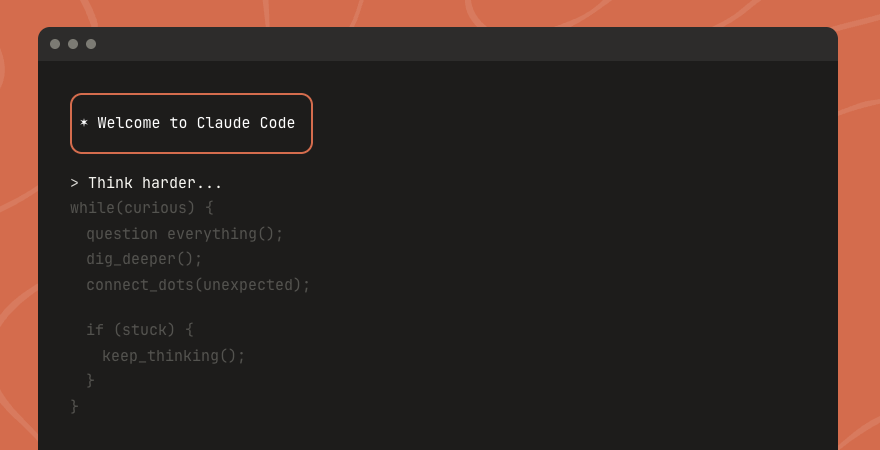
They discovered that this "coding tool" didn’t require coding knowledge. Using plain, normal language, they could get Claude Code to actually do things on their computer, with their files.
For years, we've interacted with AI through chat interfaces—web-based tools where we type questions and receive answers. Helpful, certainly, but limited. The AI could tell you how to organize your files. It couldn't actually organize them.
Now Claude Code (and Cowork) work right on your computer, and you can give them access to specific folders. They can read documents, create new files, rename and reorganize existing ones, build and run programs, and execute multi-step tasks—all while you watch or step away.
This is what people mean by "agentic AI." You describe what you need done and let Claude handle the execution.
Cowork: Built for the Rest of Us
One challenge with Claude Code was its interface. The terminal—that text-based command line that developers have used for decades—isn't exactly welcoming to everyone else. Anthropic noticed their users working around this barrier and adapting the tool for everyday office work. So just this month, the company released Cowork: the same underlying technology, wrapped in a friendlier interface for non-technical users.
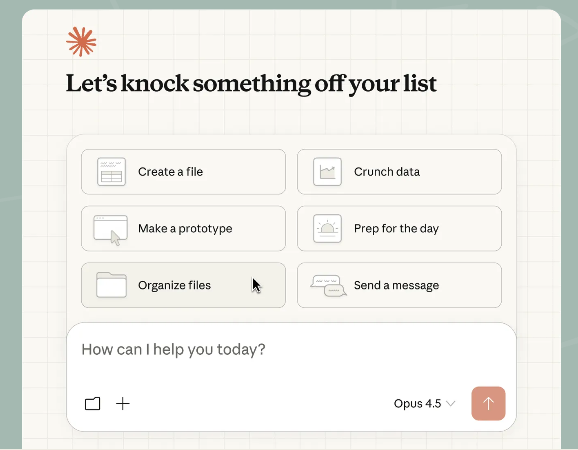
With Cowork, you simply point Claude at a folder on your computer, describe what you want accomplished, and let it work. Some examples of what early users are doing:
Expense processing: Drop 50 receipt photos into a folder, and Cowork extracts vendor names, dates, and amounts into a spreadsheet
Report compilation: Give it scattered notes, transcripts, and data files, and it produces a formatted summary document
File organization: Point it at a messy project folder, and it reorganizes by content rather than arbitrary naming conventions
Data extraction: Feed it screenshots of business cards or PDFs of meeting notes, and can transform the content into usable, structured information.
Claude Cowork is still in research preview (currently Mac-only for paid Pro or Max subscribers), and Anthropic is transparent about its limitations. Files can be deleted accidentally and there are potential security risks, so instructions need to be clear. But the core capability is real: meaningful work getting done without you doing it manually.
Meanwhile, Anthropic isn't alone in this space. OpenAI has Codex, a cloud-based coding agent that can read codebases, run tests, and propose pull requests. Google released Antigravity in late 2025, an agent-first development environment built around Gemini 3.
The industry is clearly moving toward AI that takes action rather than just offering advice. The question for most of us is how we'll adapt to this shift.
One key insight is that these tools don't require technical expertise anymore. You need to be clear about what you want and thoughtful about what files you give access to. But you don't need to code and you don't need IT support. You just need to describe the work.
Building Fluency Thoughtfully
It’s worth doing a bit of diligence on how to use these tools safely. Here’s Anthropic’s page on how to use Cowork safely. And here are a few suggestions as you consider exploring these tools:
Start with a folder that only includes backed-up files. These systems can delete or modify documents. Until you understand how they work, experiment with copies rather than originals.
Be specific in your instructions. Vague requests can produce unpredictable results. The more clearly you describe what you want, including what you don't want, the better the outcomes.
Understand the privacy implications. You're giving AI access to all the files (and folders) in the folder you specify. For sensitive documents, consider what you're making accessible.
Where We're Heading
We're watching the beginning of a significant shift in how people work with computers. For decades, we've operated tools by clicking, typing, dragging, formatting. Now we're starting to delegate to AI systems that can operate those tools on our behalf.
Claude Code's evolution from developer tool to general-purpose agent and Cowork's explicit design for non-technical users creates new opportunities to shape how our work is done.
For employee-owned companies and nonprofits, this technology can provide wide-ranging opportunities to increase positive impact, and it also raises important questions about what we want our work to look like. These agentic tools are arriving. How we integrate them thoughtfully, with appropriate boundaries and genuine benefit to the humans they serve, is an important and evolving conversation.
—
At ownAI, we help employee-owned and mission-driven organizations build AI fluency at every level. If your team is curious about agentic tools like Cowork and what they might mean for your work, reach out for a conversation.
— Michael & Trevyr